Author: Liya Zhu

  • Intervention Proposal

    Before Judgement

    A guided first encounter exploring how people form judgements about unfamiliar wellbeing practices.


    Research Question

    How can a guided first encounter be designed to suspend immediate judgement and encourage more open engagement with unfamiliar wellbeing practices?


    Aim

    This intervention explores how people form immediate judgements when encountering unfamiliar wellbeing practices.

    Using Chinese cultural wellbeing traditions as a case study, the intervention does not aim to persuade participants that a practice is correct or effective. Instead, it investigates whether sensory experience, embodied engagement and reflection can create a pause between first impression and final judgement.


    Participant Journey

    Stage 1: First Impression

    Participants enter the space and encounter a statement:

    “Would you try this?”

    7 days without eating.

    No explanation is provided.

    Participants are invited to respond immediately.

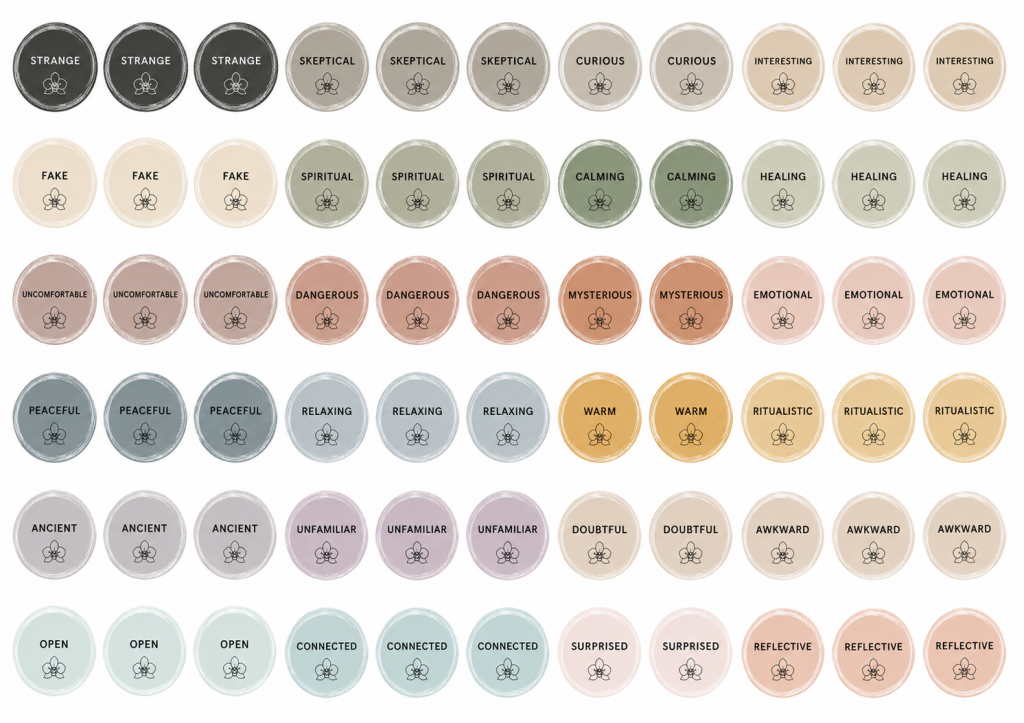
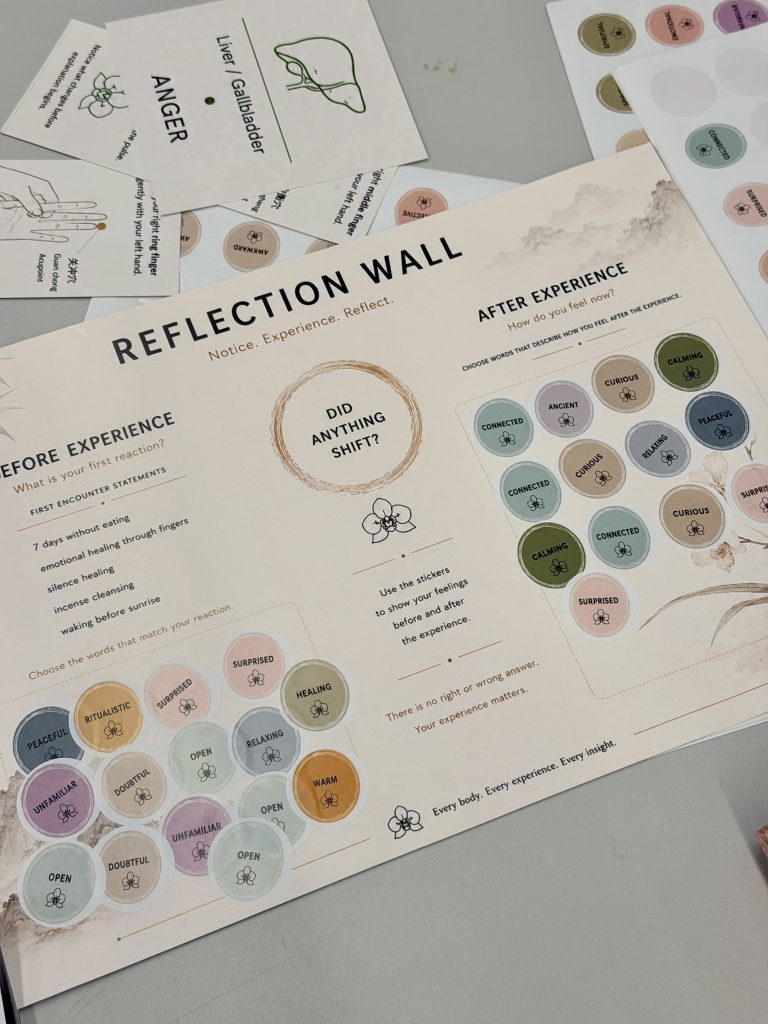
    On a reflection wall they choose labels such as:

    • Interesting
    • Strange
    • Dangerous
    • Trustworthy
    • Spiritual
    • Fake
    • Curious

    They are also asked:

    Why?

    Participants write a short word or sentence explaining their reaction.


    Stage 2: Visual Response

    Before entering the experience, participants receive a small card.

    Prompt:

    Draw how this statement makes you feel.

    No artistic skill is required.

    Participants can draw:

    • shapes
    • colours
    • symbols
    • lines

    The purpose is to capture an emotional response before any experience takes place.


    Stage 3: Guided Five Elements Experience

    Participants are invited into a simple sensory experience inspired by Chinese cultural wellbeing traditions.

    The experience consists of five stations.

    Each station lasts approximately one minute.

    Participants are free to spend longer if they wish.


    Wood

    Theme:
    Growth and release

    Elements:

    • Wood music
    • Green visual card
    • Stretching movement

    Prompt:

    “What are you holding onto today?”

    Participants make a simple drawing or write a word.


    Fire

    Theme:
    Energy and emotion

    Elements:

    • Fire music
    • Hand warming exercise

    Prompt:

    “What gives you energy?”

    Participants leave a word or symbol.


    Earth

    Theme:
    Grounding

    Elements:

    • Stone or natural object
    • Slow breathing

    Prompt:

    “What helps you feel stable?”


    Metal

    Theme:
    Reflection

    Elements:

    • Metal music
    • Quiet listening

    Prompt:

    “What would you like to let go of?”


    Water

    Theme:
    Rest and flow

    Elements:

    • Water music
    • Eyes closed listening

    Prompt:

    “What do you need more of right now?”


    Stage 4: Reflection

    After completing the sensory journey, participants return to the original statement.

    “Would you try this?”

    7 days without eating.

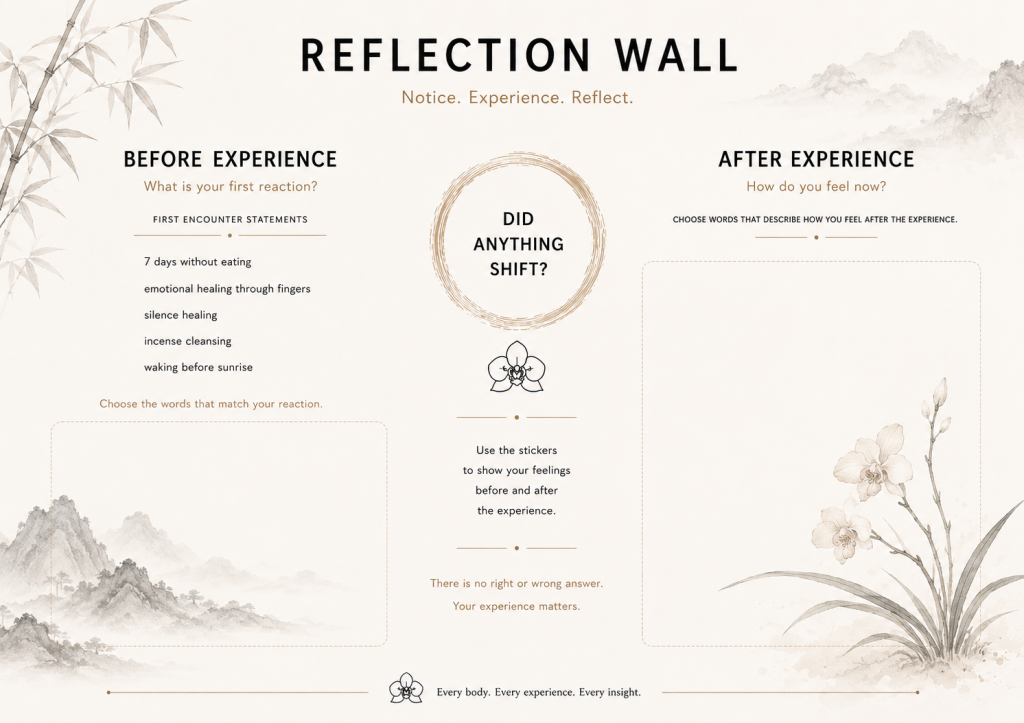
    They revisit the reflection wall.

    Participants may:

    • keep their original labels
    • remove labels
    • add new labels
    • write additional comments

    They are not encouraged to agree or disagree.

    The purpose is simply to observe whether reflection has occurred.


    Stage 5: Visual Response After Experience

    Participants receive a second card.

    Prompt:

    Draw how you feel now.

    These drawings can be compared with the first drawings.

    The focus is not on artistic quality but on emotional and perceptual change.


    Data Collection

    Evidence may include:

    • Reflection wall responses
    • Before and after drawings
    • Participant comments
    • Observation notes
    • Short conversations after participation

    What Is Being Measured?

    The intervention is NOT measuring:

    • whether Bigu is effective
    • whether participants agree with Chinese traditions
    • whether participants change their beliefs

    The intervention IS exploring:

    • first impressions
    • judgement formation
    • emotional responses
    • reflection after experience
    • how a guided encounter influences perception

    Expected Outcome

    The project aims to understand what happens between first impression and final judgement.

    Rather than asking participants to accept unfamiliar wellbeing practices, the intervention creates a space where judgement can be slowed down, questioned and reflected upon.
  • Weekly Reflection Blog

    From Promoting Understanding to Investigating Judgement

    This week’s tutorial became an important turning point in my project. Rather than focusing solely on the intervention itself, the discussion encouraged me to reconsider the assumptions behind my research question and think more critically about what exactly I am trying to investigate.

    My project has gradually shifted away from questions of health outcomes and towards questions of perception, experience, and wellbeing. I am becoming increasingly interested in how people respond to unfamiliar wellbeing practices before they have experienced them, and whether design can create a space where immediate judgement is temporarily suspended.

    This led me to refine my research question towards:

    How can a guided first encounter be designed to suspend immediate judgement and encourage more open engagement with unfamiliar wellbeing practices?

    Chinese cultural wellbeing traditions remain an important part of the project, but I now see them more as a cultural lens through which I can explore this question.

    Growing up, practices such as tea, incense, fasting, breathing exercises and ideas related to the Five Elements were familiar to me. However, I have become increasingly interested in how people react when they encounter these ideas without having the same cultural background.


    Thinking About the Audience

    One of the most useful discussions during the tutorial was about my target audience.

    Initially, I questioned whether there was really resistance towards unfamiliar wellbeing practices. Many young adults today are willing to try yoga, meditation, mindfulness and other alternative wellbeing experiences. If people are already open to new ideas, then who exactly is my project for?

    Reflecting on this question brought me back to one of the key examples that inspired the project: Bigu, a traditional Chinese fasting practice.

    From my observations and conversations, many young people are curious about wellbeing, but their reactions vary greatly depending on the practice. Activities such as tea drinking, breathing exercises or mindfulness are often accepted quite easily. However, when fasting practices such as Bigu are mentioned, the response is often much more sceptical. People may immediately describe them as dangerous, extreme or unscientific.

    At the same time, I have noticed an interesting contradiction. Many people who are sceptical about traditional practices are highly willing to consume supplements, vitamins or various commercial wellness products. This does not necessarily mean one approach is right and the other is wrong, but it raises questions about how trust is formed and why certain wellbeing practices are accepted more readily than others.

    This observation is also connected to my own understanding of wellbeing. My project is not about promoting supplements or persuading people to stop using them. I do not think it is realistic or appropriate to try to change people’s personal choices in that way. Instead, I am interested in understanding how people evaluate different wellbeing approaches and what influences their judgement.

    Because of this, I am currently considering focusing on adults between approximately 25–35 years old. This age group is often actively engaged with wellbeing culture, whether through fitness, self-care, supplements, mindfulness or alternative health practices. They are also at a stage where they are making independent decisions about their lifestyles and wellbeing habits.

    Rather than targeting people who are completely resistant, I am becoming more interested in people who are already engaged with wellbeing but may hold strong assumptions about what feels trustworthy, scientific or acceptable.

    This helped me realise that my project is not about whether people are generally open-minded or closed-minded. Instead, it is about understanding how judgement is formed when people encounter practices that challenge their existing beliefs about wellbeing.

    Rather than trying to convince people to accept something, I am interested in what happens between first impression and final opinion.


    Developing the Intervention

    My current intervention continues to focus on this process of judgement and reflection.

    Participants first encounter a series of unfamiliar wellbeing practices and respond to them through a reflection wall. They are invited to share their initial reactions using labels such as “interesting”, “strange”, “dangerous”, “trustworthy” or “spiritual”.

    After this, they take part in a number of simple sensory and embodied activities inspired by Chinese cultural wellbeing traditions. These currently include breathing exercises, finger emotion practices and other small activities designed to encourage awareness and reflection.

    Finally, participants return to the reflection wall and reconsider their initial responses.

    At this stage, I am less interested in whether their opinions become positive or negative. Instead, I want to understand whether experience creates space for reflection before judgement becomes fixed.


    Exploring More Creative Forms of Reflection

    Another exciting part of this week’s discussion was thinking about how the experience could become more engaging and reflective.

    At the moment, most of the intervention relies on verbal responses and discussion. However, I have started exploring whether other forms of expression could reveal different kinds of insights.

    One idea is to invite participants to draw before and after the experience. Rather than asking them to explain everything through words, drawing could provide another way of expressing feelings, associations and emotional responses. Comparing these drawings might reveal changes that participants themselves are not immediately aware of.

    I am also interested in experimenting with sound and atmosphere. Music, scent and sensory elements already play an important role in many cultural wellbeing practices. Rather than presenting these elements as treatments, I want to explore how they might help create a slower and more reflective environment.

    At the moment these ideas are still in an exploratory stage, but I feel they could help transform the intervention from a simple testing activity into a richer participatory experience.


    Next Steps

    My next step is to continue testing the intervention while gathering stronger evidence about where judgement actually occurs.

    I would also like to speak with wellbeing practitioners and people from different cultural backgrounds to better understand which practices generate resistance and why.

    Alongside this, I want to continue experimenting with drawing, sound, sensory elements and embodied activities to see how they might support reflection and participation.

    I also want to further refine my audience profile and investigate how people aged 25–35 make decisions about wellbeing, particularly how they navigate between traditional practices, commercial wellness products and contemporary wellbeing trends.


    Reflection

    This week’s tutorial reminded me that research is not only about developing solutions. Sometimes it is about questioning the assumptions behind the project and asking whether the problem has been properly understood.

    The discussion encouraged me to move beyond the idea of introducing Chinese cultural wellbeing traditions and towards a broader exploration of how people form judgements when encountering unfamiliar practices.

    I still have many questions to explore, but I now feel that the project direction is becoming clearer and more focused.

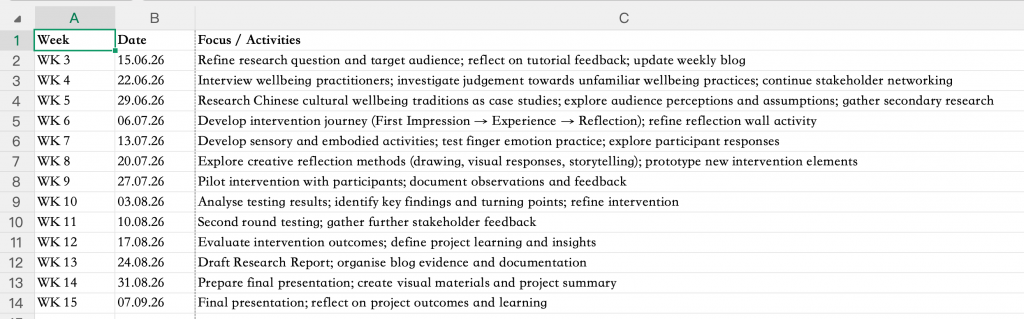
    Planing Table

    This timeline is expected to evolve as further testing and stakeholder feedback shape the direction of the project.

  • Project Six: Network Building

    Developing Relationships Across Cultural Wellbeing, Healing Spaces, and Medical Perspectives

    INTRODUCTION

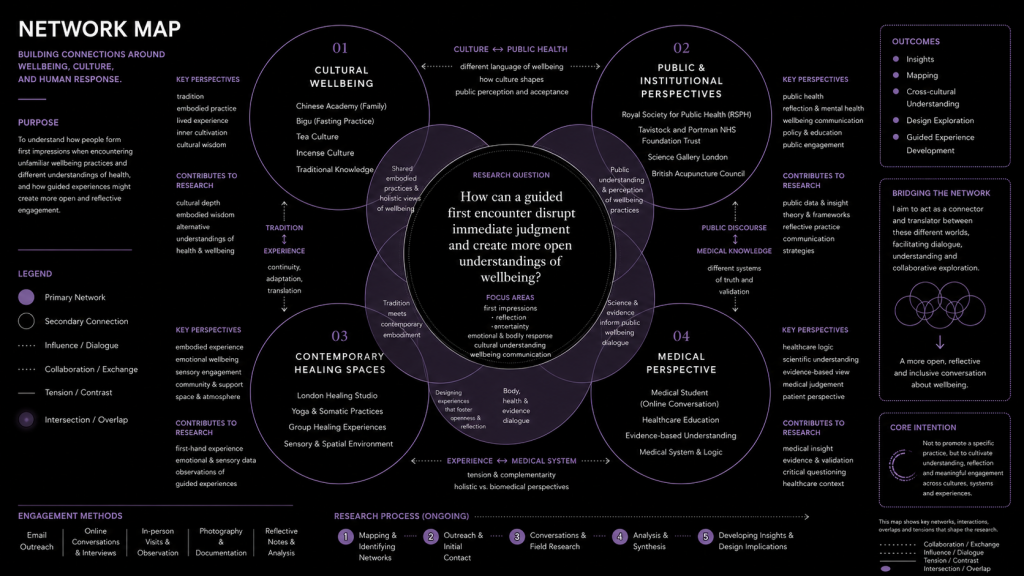
    This project focuses on building a research network around cultural wellbeing, healing practices, institutional perspectives, and medical viewpoints.

    Rather than relying only on secondary research, I wanted to speak directly with people and spaces connected to different understandings of health and wellbeing.

    The project explores how conversations, observation, and embodied participation may help develop more reflective ways of engaging with unfamiliar wellbeing practices.

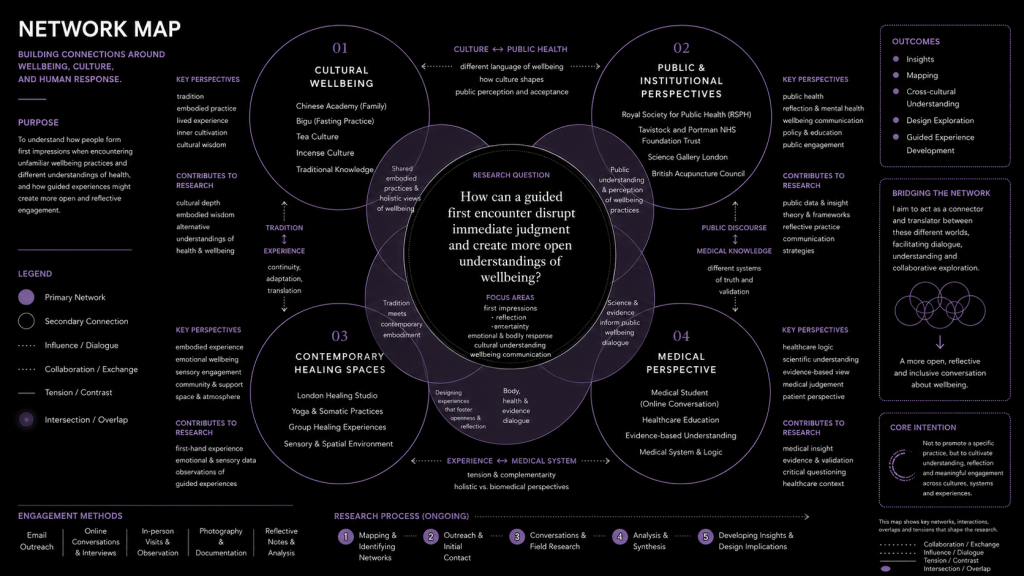
    NETWORK MAP

    The network developed across four main areas:

    1. institutional outreach
    2. cultural wellbeing practice
    3. healing spaces
    4. medical perspectives

    These different connections helped shape the project’s understanding of curiosity, scepticism, legitimacy, atmosphere, and embodied wellbeing.


    INSTITUTIONAL OUTREACH

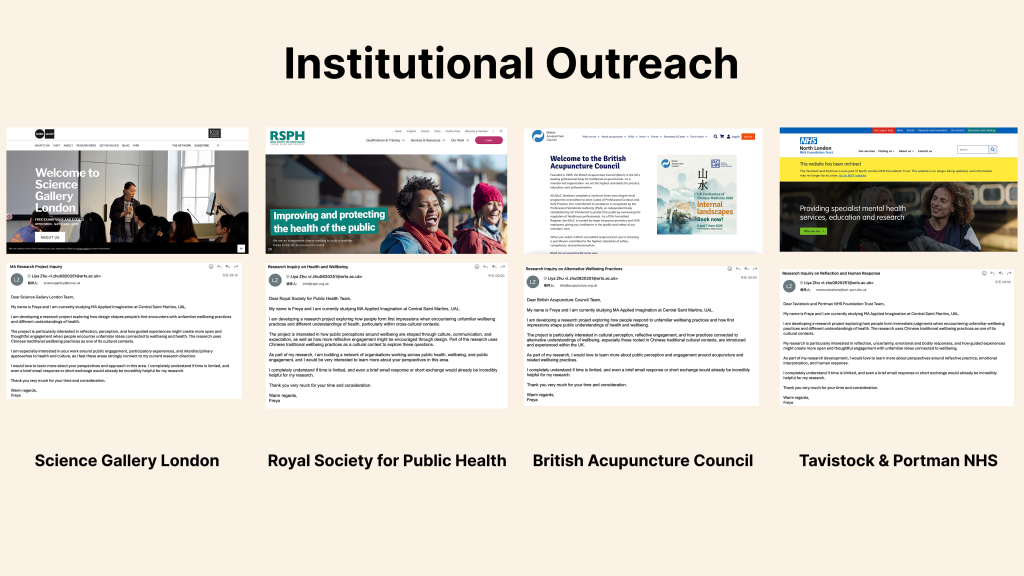
    I contacted several UK organisations connected to wellbeing, public health, and cultural engagement, including:

    1. British Acupuncture Council
    2. Royal Society for Public Health
    3. Science Gallery London
    4. Tavistock and Portman NHS Foundation Trust

    Although I did not receive replies, the outreach itself became meaningful.

    It raised questions around legitimacy, visibility, and how unfamiliar wellbeing practices are often positioned differently within institutional systems (Smith, 2012).


    CHINESE CULTURAL ACADEMY

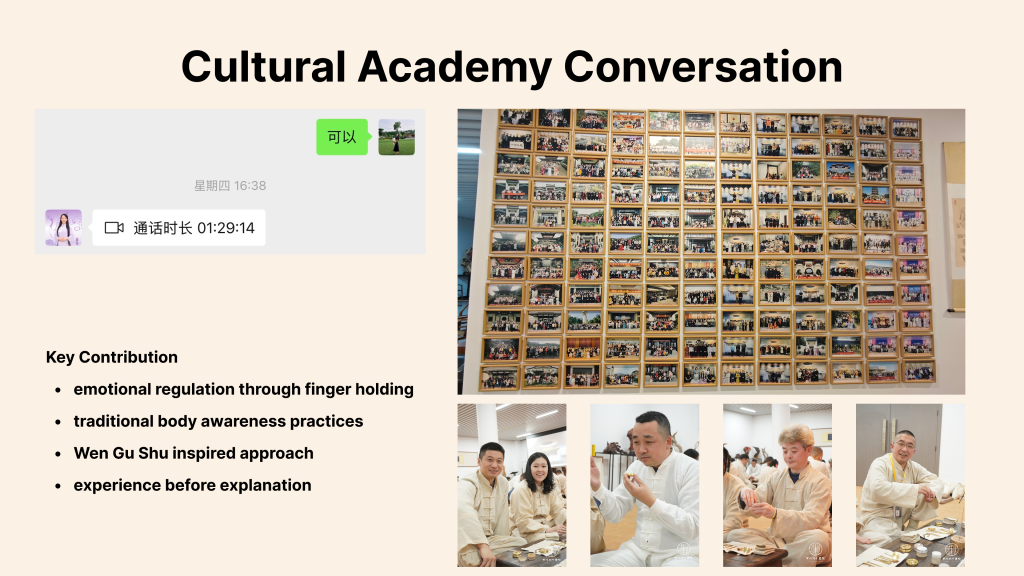
    I also had ongoing conversations with my family’s Chinese cultural academy, including video calls with the academy director.

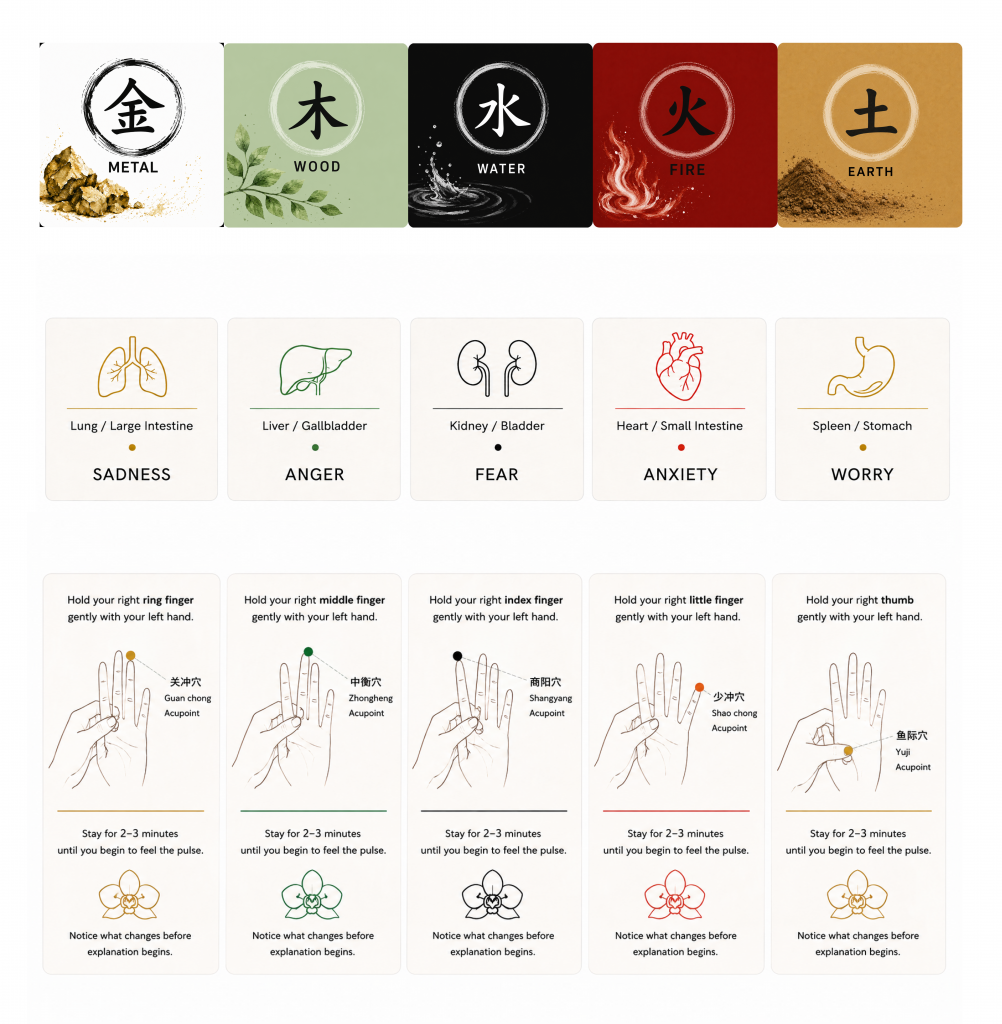
    One important discussion focused on Wen Gu Shu, a traditional Chinese body practice involving emotional regulation through finger holding.

    The academy emphasised the idea that the body may respond before intellectual understanding takes place.

    This directly influenced the embodied interaction developed within my intervention.


    GEGEND LONDON

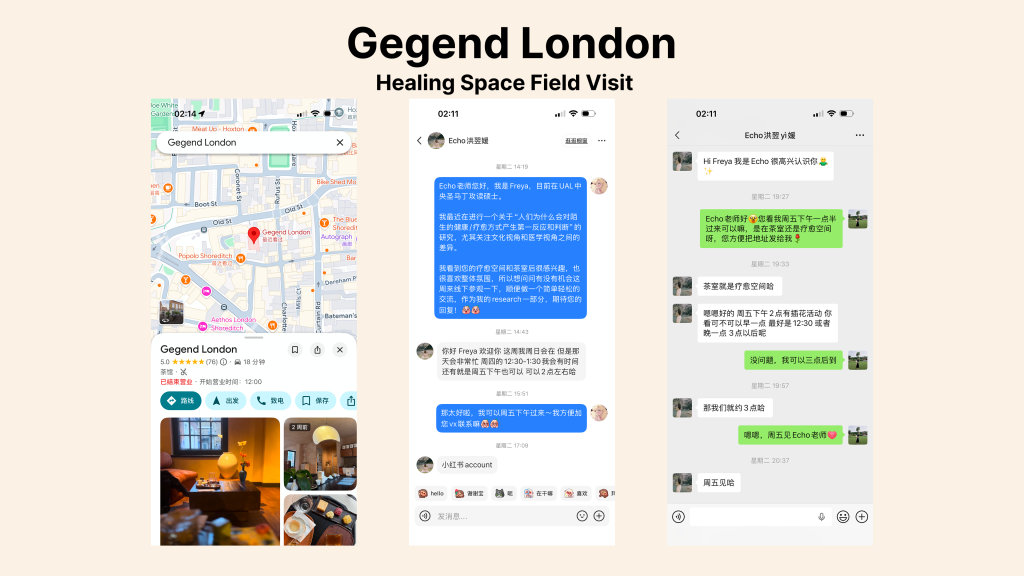
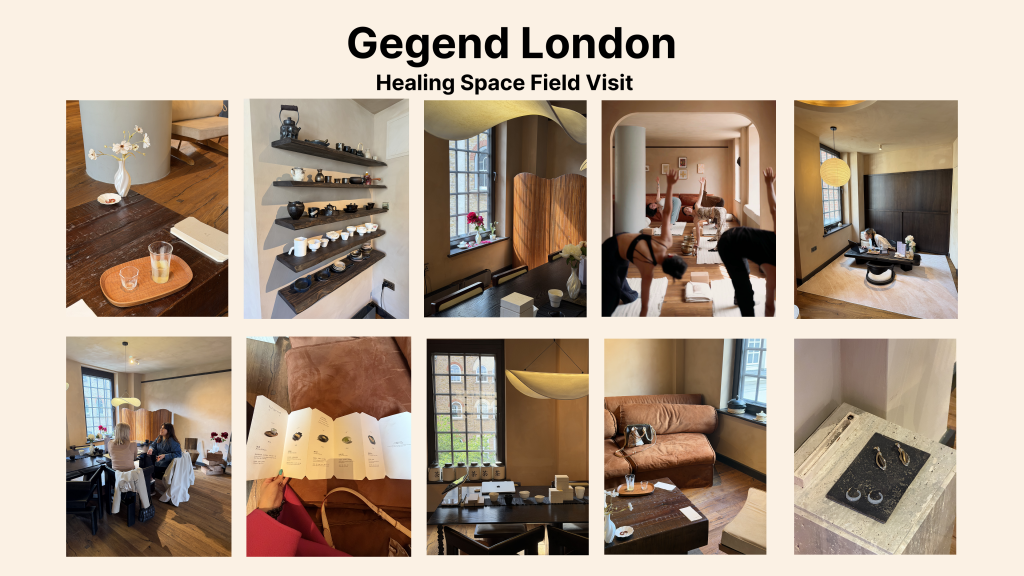
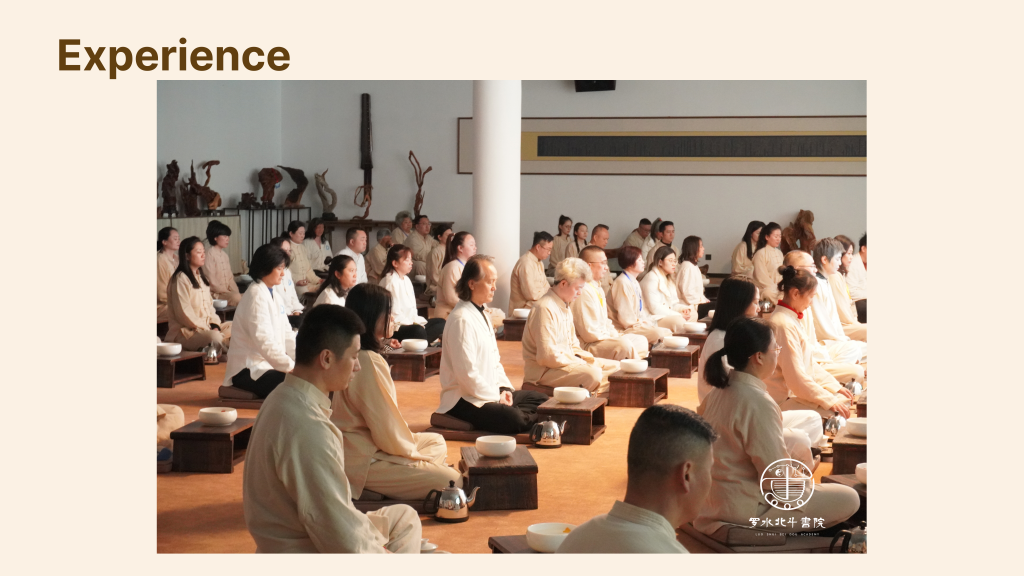
    I visited Gegend London, a healing and tea space combining yoga, sensory experience, and Chinese inspired wellbeing practices.

    I spent around two hours there conducting observation and informal conversations.

    The founder described the space as attracting both Chinese and international visitors interested in slower and more reflective wellbeing experiences.

    The interviewee mentioned that one of her impressed student friends was a Russian woman, and she strongly agreed with China’s way of maintaining health.

    During the conversation, ideas like balance, regulation, atmosphere, and emotional wellbeing came up many times.From my observation, the space felt very active and welcoming, especially on a Friday afternoon, with many people staying for a long time and enjoying the environment.

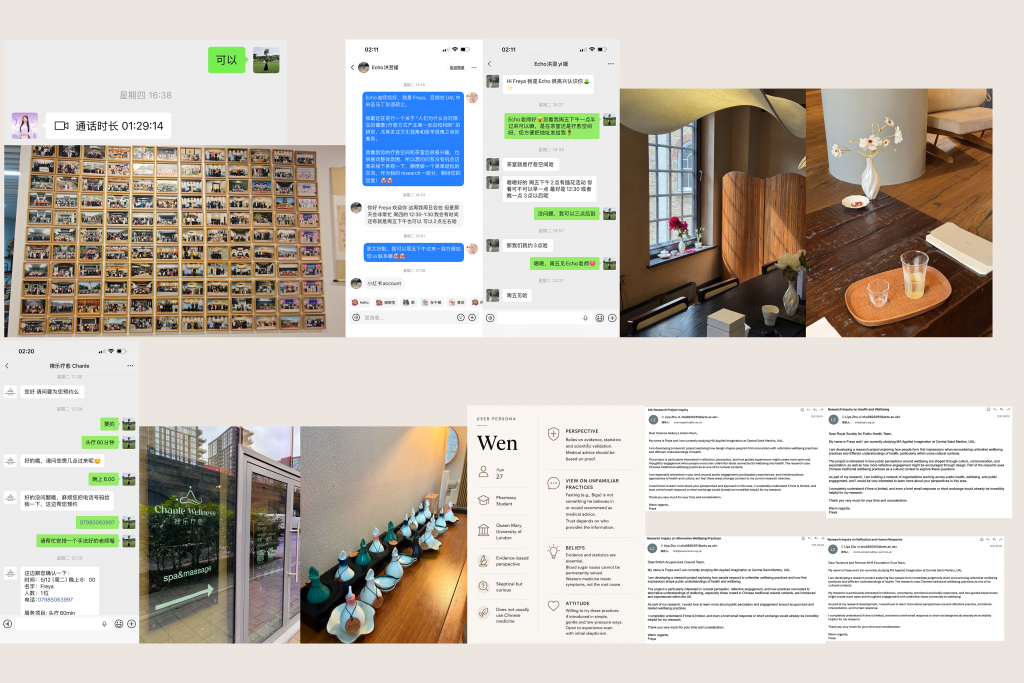
    Evidence of contact


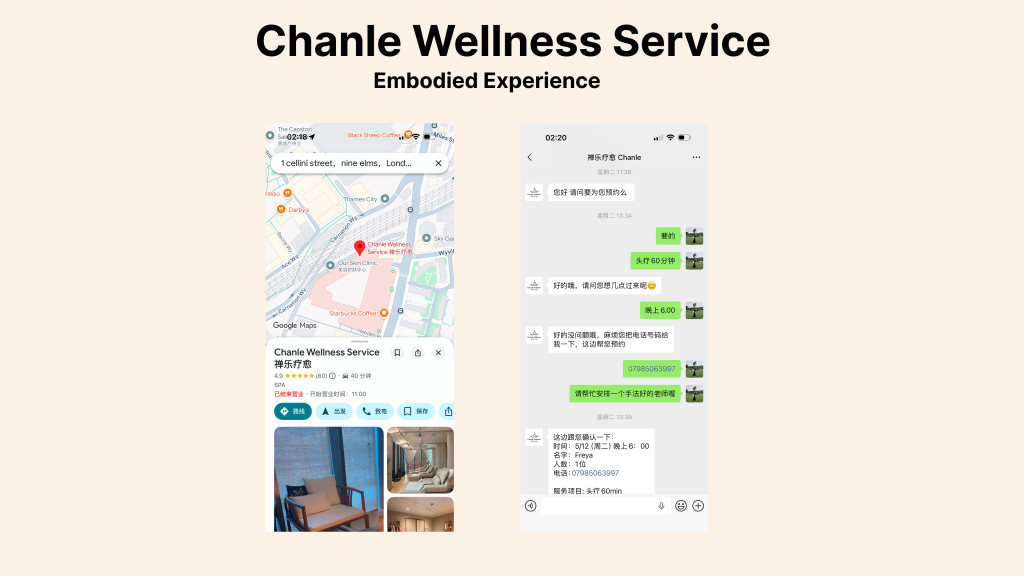
    CHANLE WELLNESS SERVICE

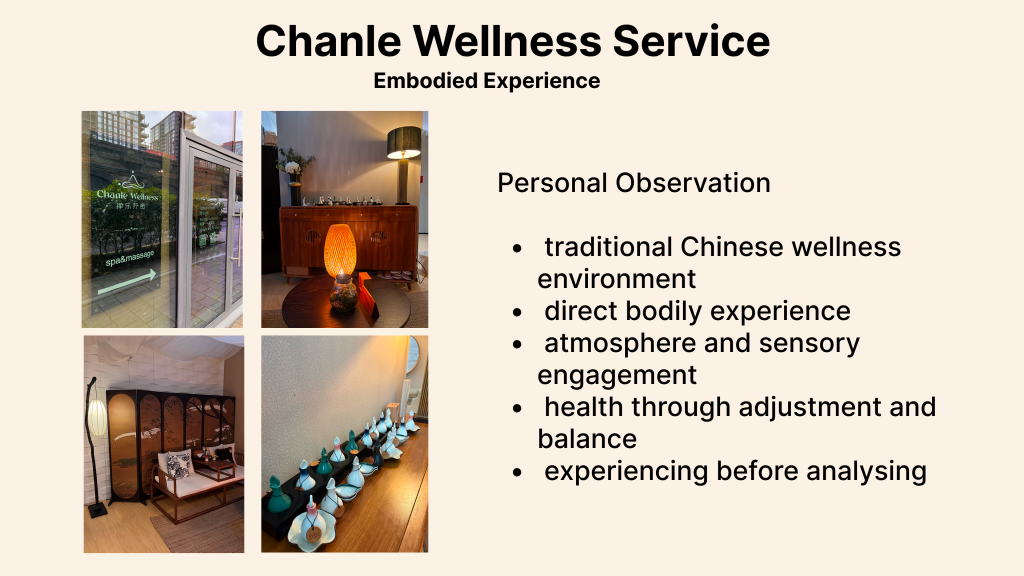
    I also visited Chanle Wellness Service and personally experienced their treatment.

    This became important because the project is not only about observing others, but also about embodied participation and sensory experience.

    The experience made me think more carefully about atmosphere, bodily feeling, and how wellbeing practices are often understood through experience rather than explanation alone.

    Evidence of contact


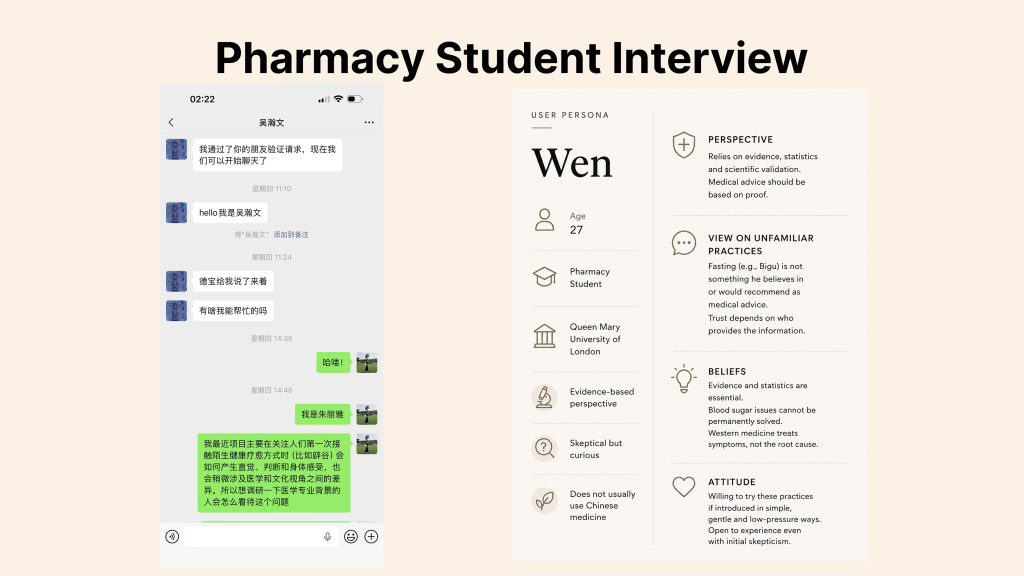
    PHARMACY STUDENT INTERVIEW

    I conducted an in person interview with a pharmacy student from Queen Mary University of London.

    His initial reaction towards Bigu fasting practices was scepticism, especially from an evidence based medical perspective.

    He explained that healthcare systems are largely built around evidence, statistics, and scientific validation.

    At the same time, after a longer conversation, he said he would still be willing to experience unfamiliar practices if introduced through simple and low pressure interaction.

    This became an important insight within the research, suggesting that curiosity may still emerge even when scepticism exists (Freire, 2001).

    Evidence of contact


    REFLECTION

    Building this network changed my understanding of the project itself.

    Rather than positioning cultural wellbeing and medical systems as direct opposites, I became more interested in the space between scepticism, curiosity, embodied experience, and dialogue.

    The project is not trying to prove whether unfamiliar wellbeing practices are scientifically correct or incorrect.

    Instead, it explores how research, conversation, and design may create slower and more reflective first encounters between different understandings of health (Deardorff, 2006).

    REFERENCES

    Deardorff, D.K. (2006) ‘Identification and assessment of intercultural competence as a student outcome of internationalization’, Journal of Studies in International Education, 10(3), pp. 241–266.

    Freire, P. (2001) Pedagogy of Freedom: Ethics, Democracy and Civic Courage. Lanham: Rowman & Littlefield.

    McNiff, J. (2013) Action Research: Principles and Practice. London: Routledge.

    Smith, L.T. (2012) Decolonizing Methodologies: Research and Indigenous Peoples. 2nd edn. London: Zed Books.

  • Project Five: What Why How What-If

    Before Explanation Begins
    A Guided First Encounter with Chinese Traditional Wellbeing Practices

    WHAT

    This project explores how people form immediate judgements when encountering unfamiliar wellbeing practices.

    Using Chinese traditional wellbeing practices as a cultural context, the project investigates how atmosphere, bodily sensation, and first impressions influence perception before explanation begins (Pink, 2015; Böhme, 2017).

    Rather than trying to convince people to “believe” in specific practices, the project explores whether sensory interaction and embodied participation may create space for curiosity and reflection.

    Research Question

    How can a guided first encounter be designed to disrupt immediate judgement and open up alternative understandings of health?

    Key Terms include: guided first encounter, immediate judgement, embodied experience, cultural wellbeing, sensory interaction, and reflective engagement.

    WHY

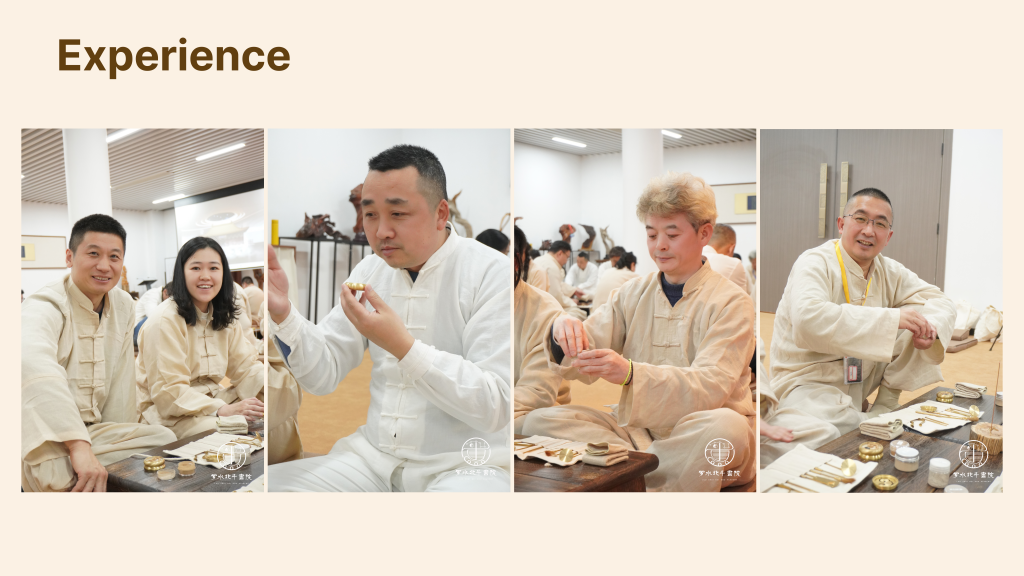
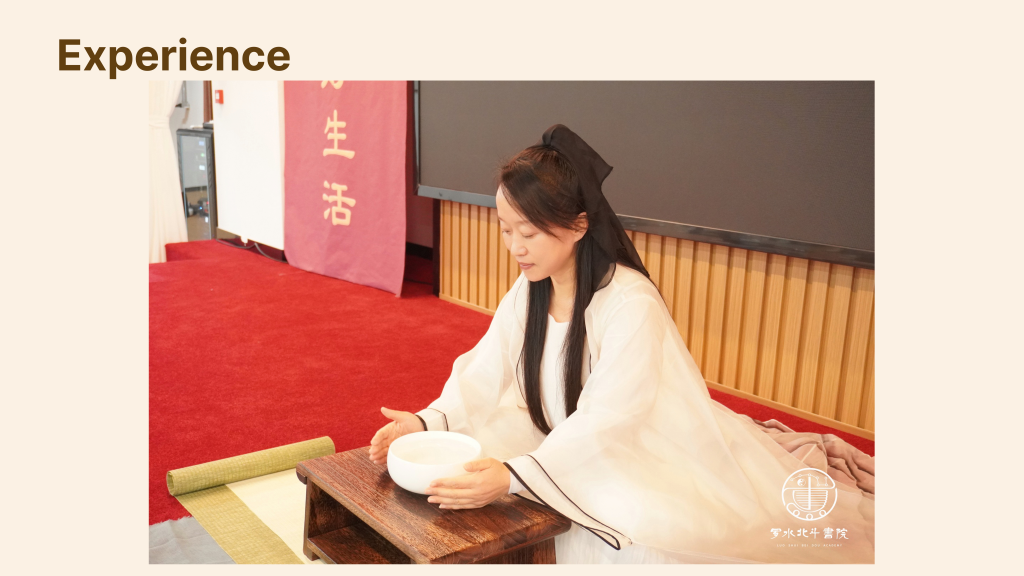
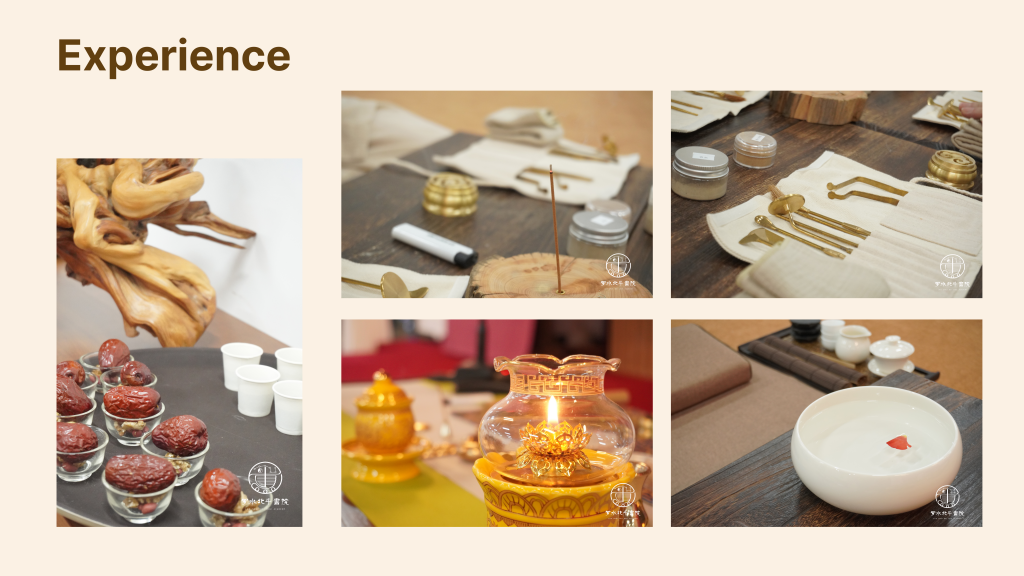
    I grew up within a Chinese cultural academy where tea culture, incense culture, meditation, and traditional wellbeing practices like Bigu were part of everyday life.

    These experiences made me realise that many wellbeing practices are often understood physically and emotionally before they are explained intellectually.

    However, when introduced in different cultural contexts, unfamiliar practices are often questioned before people experience them directly.

    This project became interested in that moment before judgement takes place.

    The project is less interested in proving whether these practices are scientifically correct, and more interested in exploring slower and more reflective encounters with unfamiliar perspectives on wellbeing (hooks, 2010).


    HOW

    The project developed through qualitative and practice based research methods including observation, conversation, sensory interaction, prototype testing, and participant reflection (McNiff, 2013; Bolton, 2018).

    The primary audience includes young adults in the UK from different cultural backgrounds who may feel curious yet uncertain when encountering unfamiliar wellbeing practices.

    The intervention was also informed through ongoing conversations with cultural practitioners, healing spaces, and medical perspectives.

    Research networking included:

    1. conversations with a Chinese cultural academy
    2. visits to healing spaces in London
    3. outreach to wellbeing organisations
    4. interviews with medical perspectives

    These interactions helped shape the project’s understanding of curiosity, scepticism, atmosphere, and embodied wellbeing.

    Some evidence is shown below. The detailed networking process and research development will be explored further in the Project 6 blog.

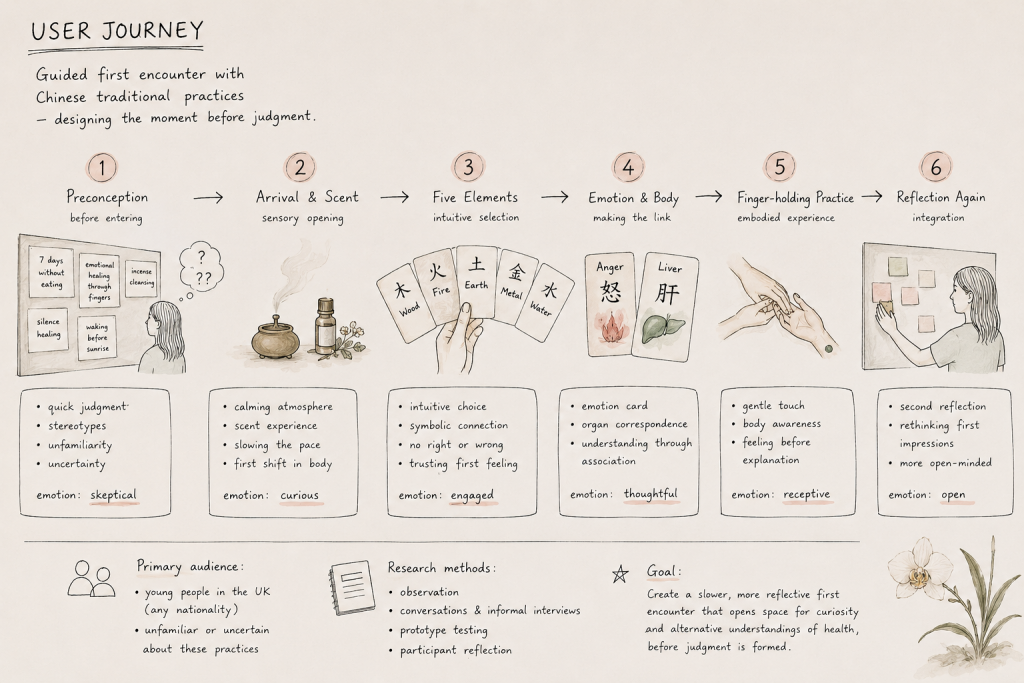
    INTERVENTION DEVELOPMENT

    The intervention was developed as a guided experiential showcase involving:

    1. reflection prompts
    2. scent interaction
    3. Five Elements emotional associations
    4. embodied finger holding practices
    5. participant reflection

    Rather than immediately explaining the practices, participants were invited to move slowly through atmosphere, intuition, bodily awareness, and reflection.

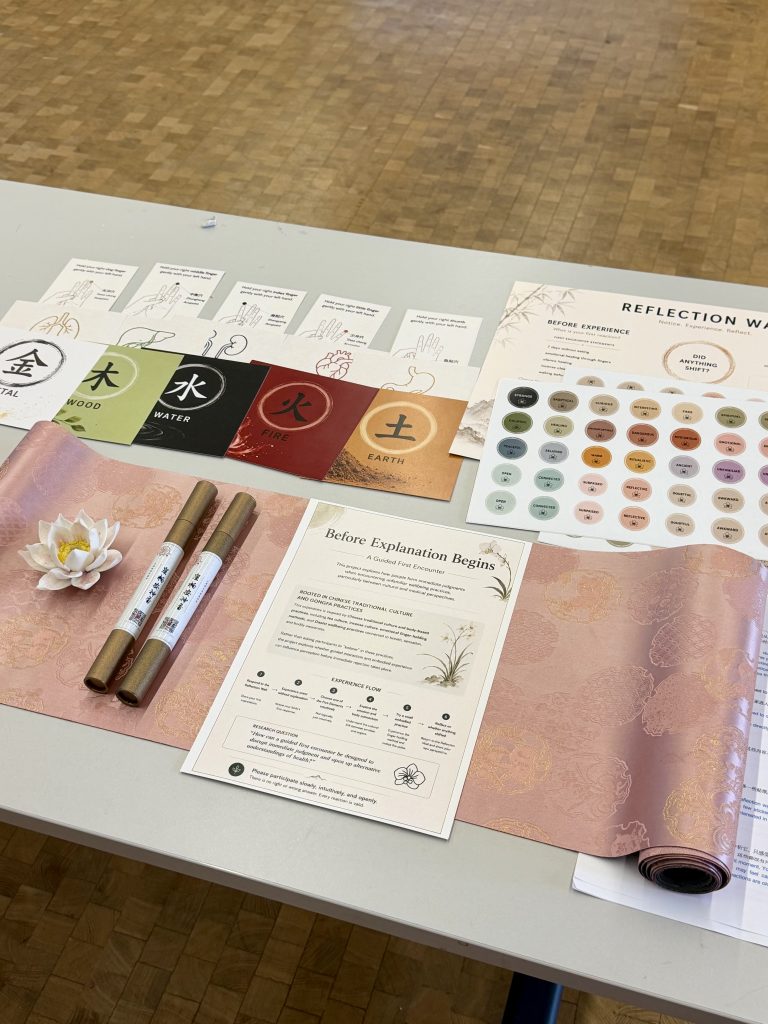
    This is the reflection wall I designed and printed.

    These are the emotional stickers I designed and printed.

    These are the Five Elements cards I designed and printed.


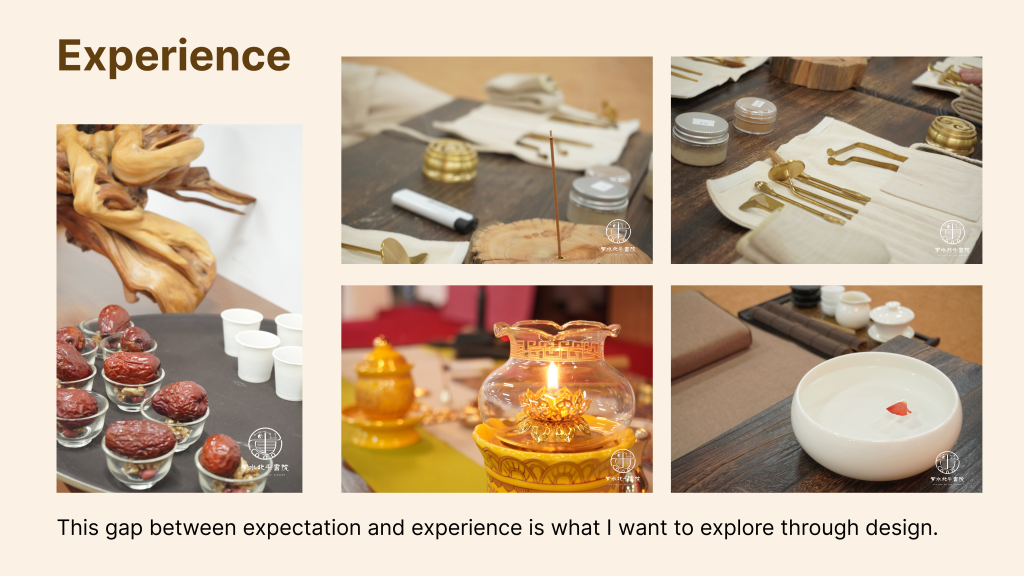
    SHOWCASE EXPERIENCE

    Participants were first invited to respond to provocative wellbeing statements before entering a slower sensory experience.

    The showcase encouraged participants to reflect on whether their perceptions shifted after embodied interaction and sensory engagement.

    Tested during the showcase on 18 May.


    WHAT-IF

    If successful, the project may contribute people’s involvement in unfamiliar health and wellbeing practices in a more reflective and culturally sensitive way.

    Rather than promoting specific health methods, the research explores how design might reshape the conditions in which first impressions and judgements are formed.

    The project is also aware of the possible limitations. Some participants may still reject unfamiliar practices, while others may misunderstand that the project is promoting a particular cultural or health concept. Therefore, maintaining a balanced and reflective position throughout the research process remains important (Smith, 2012).

    REFLECTION

    This project shifted my understanding of wellbeing away from fixed answers and towards atmosphere, perception, and embodied experience.

    Rather than attempting to prove unfamiliar practices right or wrong, the project became more interested in how design might create slower and more reflective first encounters between different understandings of health.

    REFERENCES

    Bolton, G. (2018) Reflective Practice: Writing and Professional Development. London: Sage.

    Böhme, G. (2017) The Aesthetics of Atmospheres. London: Routledge.

    Brown, A.M. (2021) Holding Change: The Way of Emergent Strategy Facilitation and Mediation. Chico, California: AK Press.

    Deardorff, D.K. (2006) ‘Identification and assessment of intercultural competence as a student outcome of internationalization’, Journal of Studies in International Education, 10(3), pp. 241–266.

    Freire, P. (2001) Pedagogy of Freedom: Ethics, Democracy and Civic Courage. Lanham: Rowman and Littlefield.

    hooks, b. (2010) Teaching Critical Thinking. London: Routledge.

    McNiff, J. (2013) Action Research: Principles and Practice. London: Routledge.

    Pink, S. (2015) Doing Sensory Ethnography. 2nd edn. London: Sage.

    Smith, L.T. (2012) Decolonizing Methodologies. 2nd edn. London: Zed Books.

  • Reflecting on Project 4

    Before You Decide — Designing First Encounters with Unfamiliar Health Practices Across Cultures

    A Simple Question

    There was a moment in my presentation when I asked a simple question: “Would you consider seven days without food?” Most people reacted immediately. Some felt surprised, while others felt uncomfortable. No one asked for more information first, and their reaction came before understanding. This moment made me realise how quickly people judge something unfamiliar.

    Instant Judgement

    When I first asked the question, most people responded very quickly and described it as unhealthy, extreme, or even dangerous. This shows how fast judgement happens, often before people have time to understand the context. Gladwell (2001) explains how people make rapid decisions based on limited information and first impressions. In this case, the idea of fasting was judged before its cultural meaning was explored. This highlights how unfamiliar practices are often rejected too early.

    Culture and Health

    This led me to question what “health” actually means. In many Western contexts, health is closely linked to science and medicine, while cultural practices are often seen as separate. Because of this, practices such as Daoist fasting or breathing techniques can feel unfamiliar or unsafe. However, this understanding is not universal. Smith (2012) reminds us that knowledge is shaped by cultural perspectives, and Sontag (2013) shows that ideas of health are influenced by language and social context. This suggests that different cultures may define health in different ways.

    The Missing Pause

    Judgement often happens very quickly, while reflection takes more time. Bolton (2018) describes reflective practice as the ability to pause and think before reacting, yet this pause is often missing in everyday situations. As a result, people tend to react based on instinct rather than understanding. This lack of reflection can lead to misunderstanding, especially when encountering unfamiliar cultural practices. Creating space for reflection becomes an important part of this project.

    My Intervention

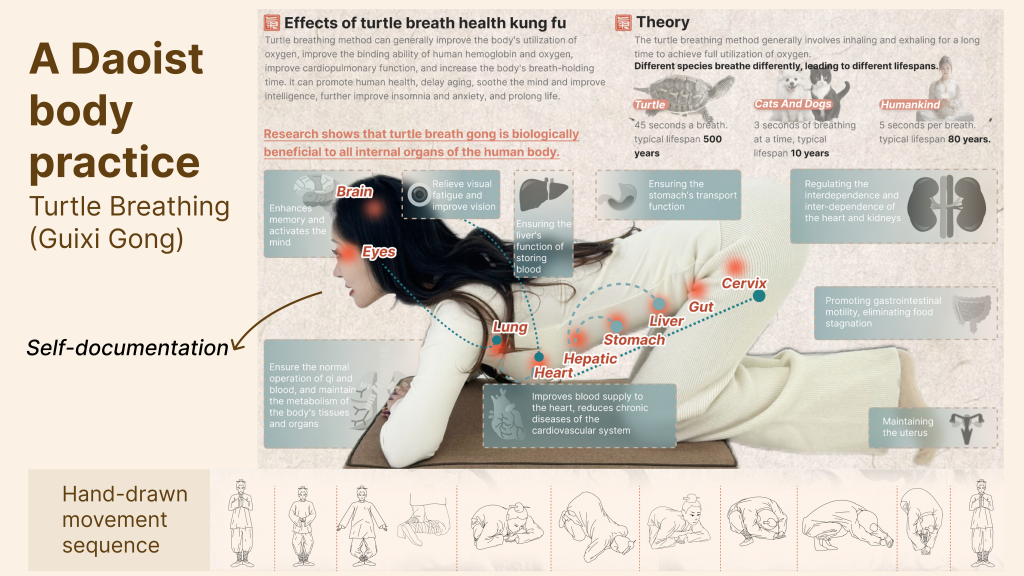
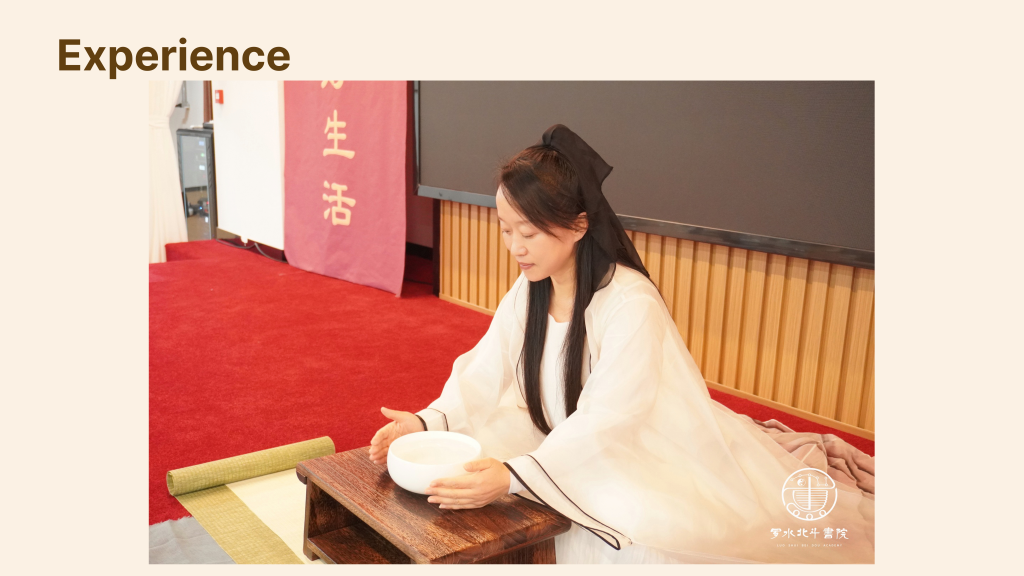
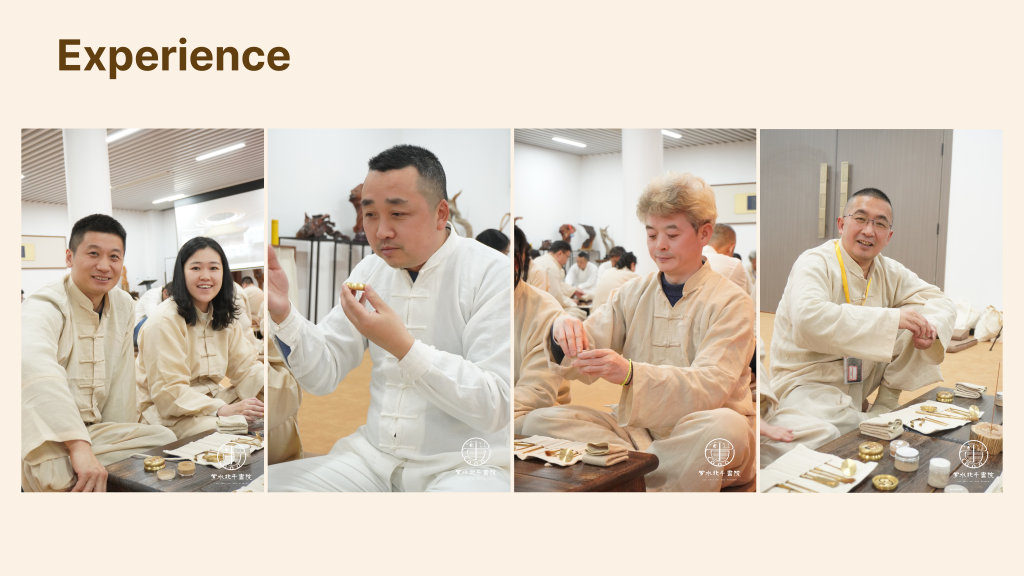
    My project does not ask people to follow a specific practice, but instead focuses on redesigning the first encounter. Rather than explaining the practice directly, I create a guided experience that allows people to engage in a different way. This includes sensory elements such as scent, visual material, and body-based practices, along with personal narratives. During the presentation, I introduced a very light scent and showed a Daoist breathing practice called Guixi Gong. These elements are not instructions, but gentle entry points that invite curiosity.

    This approach relates to Freire (2001), who suggests that learning happens through experience rather than instruction. By slowing down the moment of encounter, the design creates space for reflection instead of immediate judgement.

    Context of Practice

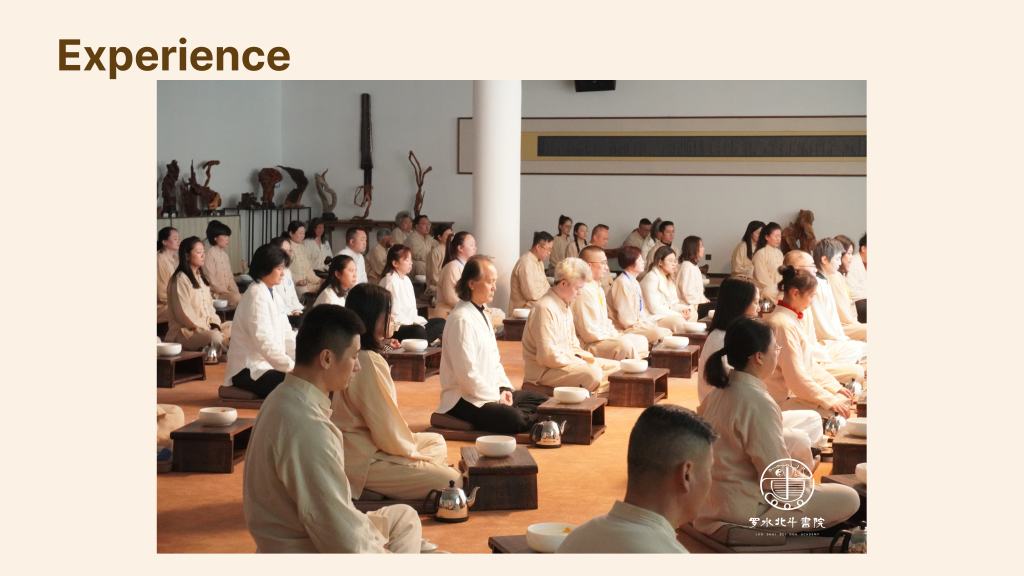
    The Daoist fasting practice I explore is called Bigu. Through an academy I have personal access to, this practice has been developed across more than 300 sessions, involving nearly 30,000 participants. This provides a grounded context for my project, rather than a general claim about health. I use Bigu as a situated case to explore how unfamiliar practices are perceived, rather than to prove its effectiveness. The data referenced here comes from internal records of the academy. At the same time, I recognise that personal experience alone is not enough. It needs to be supported by reflection and critical understanding. This balance between experience and interpretation is central to my project.

    What I Want to Change

    The change I want to see is not about acceptance or agreement, but about creating a different starting point. Instead of rejecting something unfamiliar immediately, people are invited to pause and reflect. This project is not about replacing medical knowledge, but about questioning how we define health and how these definitions are shaped. It also reflects an action research approach, where understanding develops through practice and reflection (McNiff, 2013). In this sense, the goal is to create openness rather than certainty.

    Reflection

    Through this project, I realised that my initial presentation focused too much on sharing my interest and not enough on explaining my intention. The feedback helped me understand that clarity is important, especially when working with unfamiliar or sensitive topics. I also learned that using an extreme example, such as fasting, without enough framing can create distance, as people may react before engaging with it.

    This made me rethink my approach. Instead of focusing only on fasting as a starting point, I began to consider how different elements could support the way people enter the topic. I introduced softer entry points such as scent and breathing. These elements are easier to accept and help create space for curiosity.

    A key insight from the feedback was the distinction between cultural and medical understandings of health. I realised that many people approach health mainly through a medical lens, where practices are expected to be scientifically proven. In contrast, practices like Bigu come from a cultural and philosophical context, where health is understood differently.

    This tension between the two perspectives became central to my project. It showed me that the issue is not only about unfamiliar practices, but about how different systems of knowledge are interpreted and judged.

    This shifted my direction. Rather than explaining or justifying the practice, I began to explore how design can create a space between these perspectives, allowing people to pause before forming a judgement.

    This process has changed how I think about design. It is not only about presenting ideas, but about shaping how people first encounter and interpret them. It has also made me more aware of the assumptions people bring when encountering unfamiliar ideas.

    Bibliography

    Bolton, G. (2018) Reflective Practice: Writing and Professional Development. London: Sage.

    Freire, P. (2001) Pedagogy of Freedom: Ethics, Democracy and Civic Courage. Lanham: Rowman and Littlefield.

    Gladwell, M. (2001) The Tipping Point: How Little Things Can Make a Big Difference. London: Abacus.

    McNiff, J. (2013) Action Research: Principles and Practice. London: Routledge.

    Reddy, B. L. (2024) ‘Health benefits of intermittent fasting: A review’, Journal of Health and Metabolism, 12(2), pp. 45–60.

    Smith, L. T. (2012) Decolonizing Methodologies. London: Zed Books.

    Sontag, S. (2013) Illness as Metaphor. New York: Farrar, Straus and Giroux.

    Trabelsi, K., Chtourou, H., Stannard, S. R., Chamari, K. and Shephard, R. J. (2022) ‘Religious fasting and its impacts on health: A systematic review’, Frontiers in Nutrition, 9, pp. 1–15.

    Visioli, F. (2022) ‘Traditional and medical applications of fasting’, Nutrients, 14(6), pp. 1–12.

    Fasting: From cultural practices to health implications (2024) ResearchGate. Available at: https://www.researchgate.net/

     (Accessed: 15 April 2026).

  • Reflecting on Project 3

    Starting Point

    When I first started this project, my idea was much broader than it is now. I knew I was interested in labels, personality systems and the way young people try to understand each other quickly in social situations, but I was not yet sure what the real question was. Through feedback, making and reflection, I gradually realised that my main interest was not whether systems such as MBTI or astrology are scientifically correct, but what they actually do in first-time interaction. This led me to my current question: How can systems of labeling used by Chinese young people meeting for the first time be challenged to create deeper social connections?

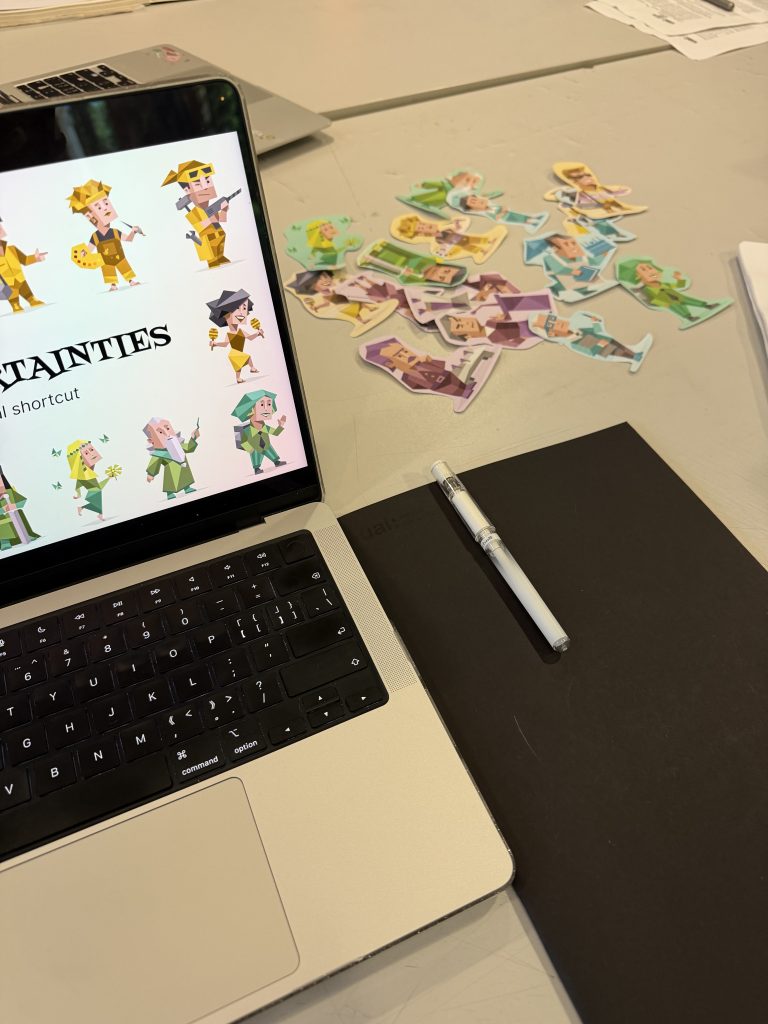
    Figure 1. Early MBTI visual thinking.

    My BA background in broadcasting and hosting, interview-based storytelling has shaped the way I approached this topic. It has made me more sensitive to how people get to know each other through listening and questioning. Because of this, I am naturally drawn to interactions that allow understanding to build slowly, rather than reducing someone to a quick category.

    Shifting the Question

    Step 1 and Step 2 helped me become more aware of my own position and narrow the project more clearly. Bolton (2018) helped me see that reflection is not only about describing decisions, but also about questioning the assumptions behind them. This made me realise that I was not approaching the topic from a neutral position. I already valued slower and more open ways of knowing others. Smith (2012) also made me more aware that research itself can impose categories too quickly, which felt closely connected to my topic.

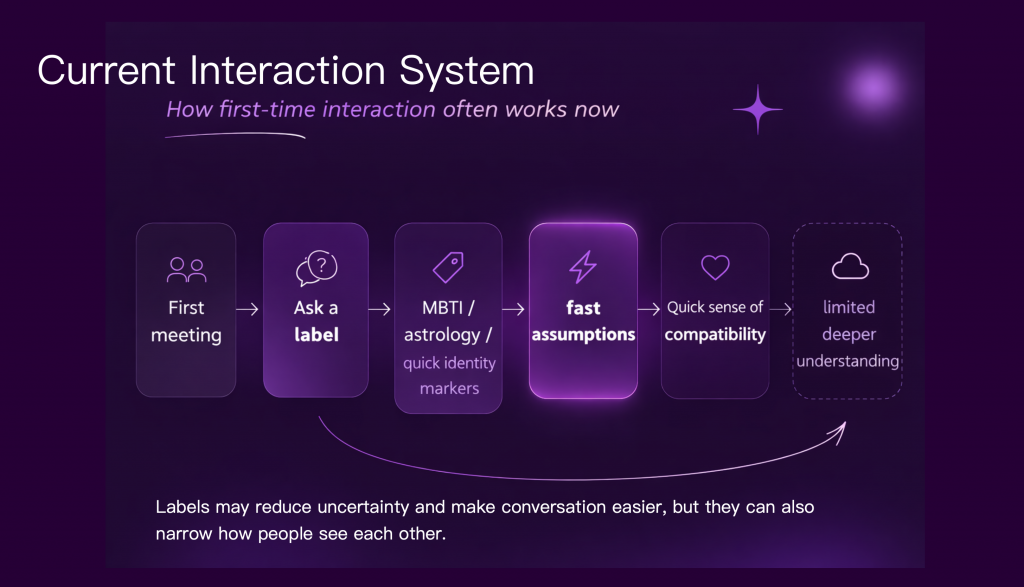
    As the project developed, I moved away from a general interest in personality labels and focused more specifically on Chinese young people meeting for the first time in informal situations, such as parties or casual gatherings. I also became clearer about the research gap. A lot of discussion around MBTI focuses on whether it is valid or useful, but I became more interested in its social function. It can reduce uncertainty, encourage quick assumptions and create a feeling of understanding that may still remain shallow. hooks (2010) was especially useful here because it pushed me to question systems that feel normal or familiar. This also helped me see that the issue was more complicated than I first thought, because labels are not only limiting; for some people, they can also feel safe, efficient and socially helpful.

    Figure 2. Current interaction system.

    Understanding the Stakeholders

    Step 3 made the project feel more grounded. Once I started identifying stakeholders, labels stopped being only an abstract idea. I began thinking more carefully about Chinese young adults in first-time encounters, people who rely on labels to reduce uncertainty, and organisers of informal social spaces. This made me realise that any intervention needed to be simple, realistic and not overly judgmental.

    Feedback from my tutor was especially important at this stage. It helped me narrow the context, define the stakeholders more clearly, and turn a broad concern into a more workable research direction.

    From Idea to Intervention

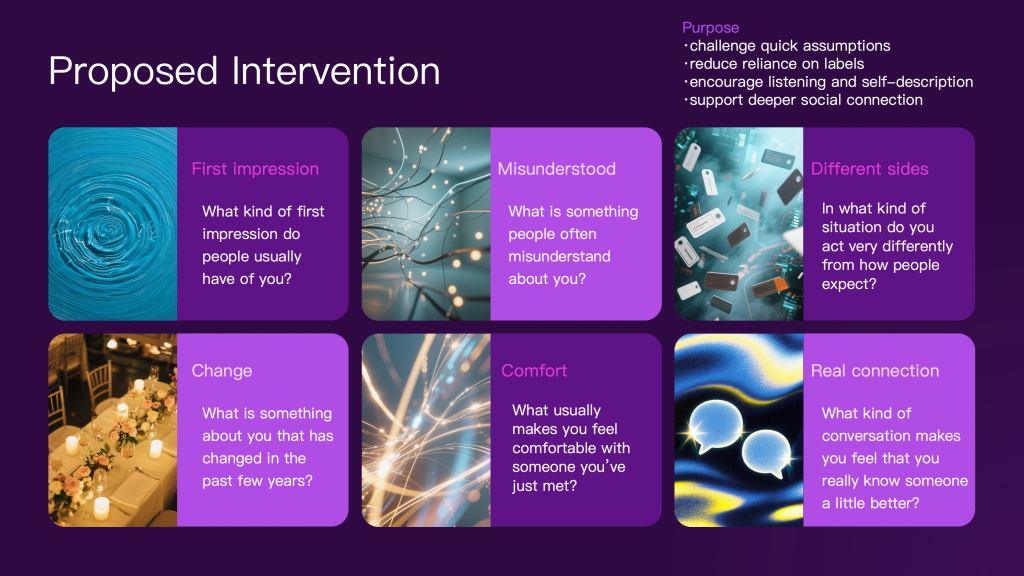
    Step 4 pushed me to think about impact in a more practical way. Instead of only criticising labels, I started developing a small intervention through question cards and visual prompts. This process helped me imagine a question-based first-meeting tool that could be compared with label-based introductions . The aim is to explore whether different ways of starting a conversation create different feelings of comfort, understanding and connection. McNiff (2017) was helpful here because it encouraged me to think of the project as an iterative process of testing and adjustment rather than a fixed solution. Gladwell (2001) also made me reflect on how small shifts in interaction might still have meaningful effects over time.

    Figure 3. Proposed intervention.

    At this stage, I imagine testing this through short comparative interactions and brief participant feedback. Looking back, the project feels much clearer now than it did at the beginning. I have a more focused question, a clearer user group and a more realistic intervention. At the same time, I know the project is still limited. The intervention has not yet been tested, and I need to be careful not to assume that question-based interaction will always lead to deeper connection in every situation.

    Bibliography

    Berger, C.R. and Calabrese, R.J. (1975) ‘Some explorations in initial interaction and beyond: Toward a developmental theory of interpersonal communication’, Human Communication Research, 1(2), pp. 99–112. doi: 10.1111/j.1468-2958.1975.tb00258.x.

    Bolton, G. (2018) Reflective Practice: Writing & Professional Development. London: Sage

    Collins, N.L. and Miller, L.C. (1994) ‘Self-disclosure and liking: A meta-analytic review’, Psychological Bulletin, 116(3), pp. 457–475. doi: 10.1037/0033-2909.116.3.457.

    Fiske, S.T. and Neuberg, S.L. (1990) ‘A continuum of impression formation, from category-based to individuating processes: Influences of information and motivation on attention and interpretation’, in Zanna, M.P. (ed.) Advances in Experimental Social Psychology. Vol. 23. San Diego: Academic Press, pp. 1–74. doi: 10.1016/S0065-2601(08)60317-2.

    Gladwell, M. (2001). The Tipping Point: How Little Things Can Make a Big Difference. London: Abacus

    hooks, b. (2010) Teaching Critical Thinking: Practical Wisdom. London: Routledge.

    McNiff, J. (2017) Action Research: All You Need to Know. London: Sage.

    Qin, Y., Cho, H., Li, P. and Zhang, L. (2021) ‘First impression formation based on valenced self-disclosure in social media profiles’, Frontiers in Psychology, 12, 656365. doi: 10.3389/fpsyg.2021.656365.

    Smith, L.T. (2012) Decolonizing Methodologies: Research and Indigenous Peoples. 2nd edn. London and New York: Zed Books.

    Towner, E., Grint, J., Levy, T., Blakemore, S.-J. and Tomova, L. (2022) ‘Revealing the self in a digital world: A systematic review of adolescent online and offline self-disclosure’, Current Opinion in Psychology, 45, 101309. doi: 10.1016/j.copsyc.2022.101309.

    Tsankova, E. and Tair, E. (2021) ‘Meta-Accuracy of Very First Impressions: A Mini Review’, Frontiers in Psychology, 12, 736534. doi: 10.3389/fpsyg.2021.736534.

    Wang, C., Gao, Y. and Xie, Y. (2024) ‘Analyzing the dissemination of the Myers-Briggs Type Indicator (MBTI) in China: A case study of Weibo and Xiaohongshu texts’, in Proceedings of the 4th International Conference on Public Management and Intelligent Society (PMIS 2024). doi: 10.4108/eai.15-3-2024.2346532.

    Wu, W., Hao, W., Zeng, G. and Du, W. (2024) ‘From personality types to social labels: The impact of using MBTI on social anxiety among Chinese youth’, Frontiers in Psychology, 15, 1419492. doi: 10.3389/fpsyg.2024.1419492.